The Shed packs a range of food-growing technologies into to a surprising shell: A used shipping container.
A number of engineered systems transform this metal shell into an optimal environment for plants and animals. High-performance insulation, heat sinks and ventilation take the bite out of Canada’s cold winters and summer heat waves for a constant temperature. Carefully designed electrics and Arduino sensors provide the intelligence to keep loads from lights and water pumps within the limits of renewable energy systems year-round.
The result is peak energy efficiency that enables the farm to operate off-grid all of the time.
Why is it important?
From its first step in upcycling a used container, the Shed demonstrates the potential for growing more food from less material and energy. This use adds to an intriguing trend of repurposing cast-off containers, from houses to workshops and pools. The transformation of the shell, though, highlights the sustainability gains to be from attention to energy system and building design.
The Shed’s outer boundary, insulation, fans and heaters also helps to create the controlled indoor environment that enables year-round agriculture. This ability builds better access to fresh produce, but also potential adaptation to climate change – allowing growing food in all weather extremes.
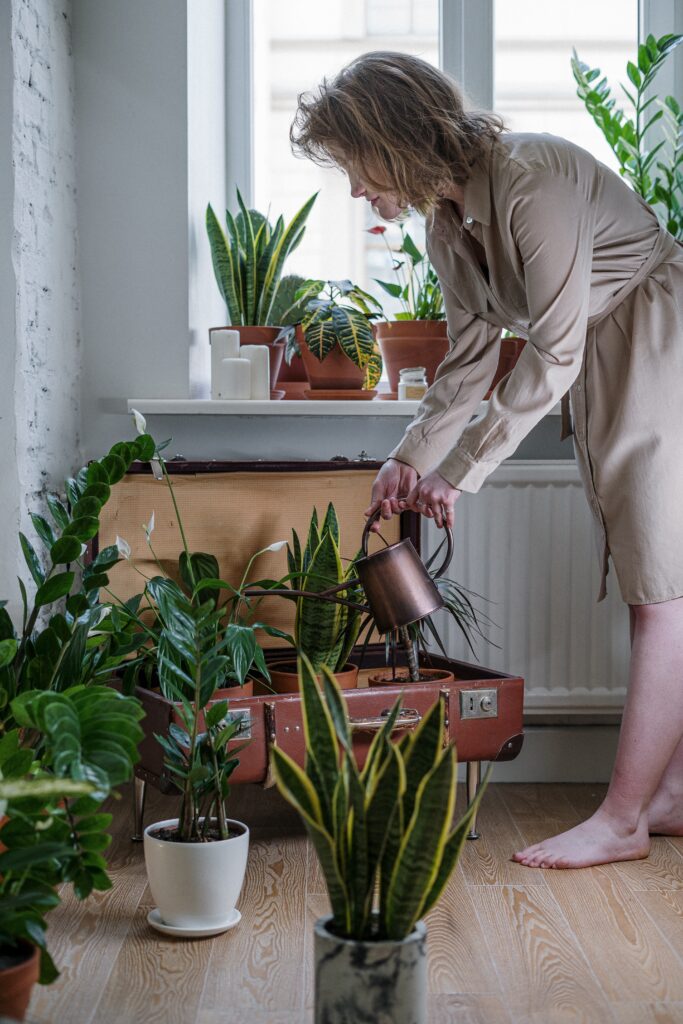
The Shed interior also reminds us of the possibilities for transforming urban areas one interior at a time, from a humble hollow into a green oasis for community fulfillment. Green spaces are in short supply but trigger biophilic effects – mental and physical benefits from nature exposure that are hypothesized to be genetically hardwired into humans.
Mere exposure to natural elements, for instance, has been documented to decrease pain, lower stress, improve mood and enhance measures of cognition and productivity.
Gardening, as practiced in the Shed, is also a great way to improve physical, psychological and social health. One broad study found overwhelming positive effects of gardening on health outcomes from anxiety and tension to a sense of being restored.
The Shed’s envelope contributes to UN Sustainable Development Goals of Industry, Innovation & Infrastructure (SDG 9) and Responsible Consumption & Production (SDG 12) by creating new efficiencies for producing food in the city.
Renewable Energy System
What is it and how does it work?
A defining feature of the Shed is its total reliance on renewable energy. It is entirely off-grid. Electricity to run lights, pumps, heaters and fans come from two well-known renewable sources: Solar and wind energy.
The Shed’s roof and south wall is adorned with 13 solar or photovoltaic panels that produce of to 435 watts of power each. These panels are high efficiency because they are made from a single crystal of energy-conducing silicon (monocrystalline).
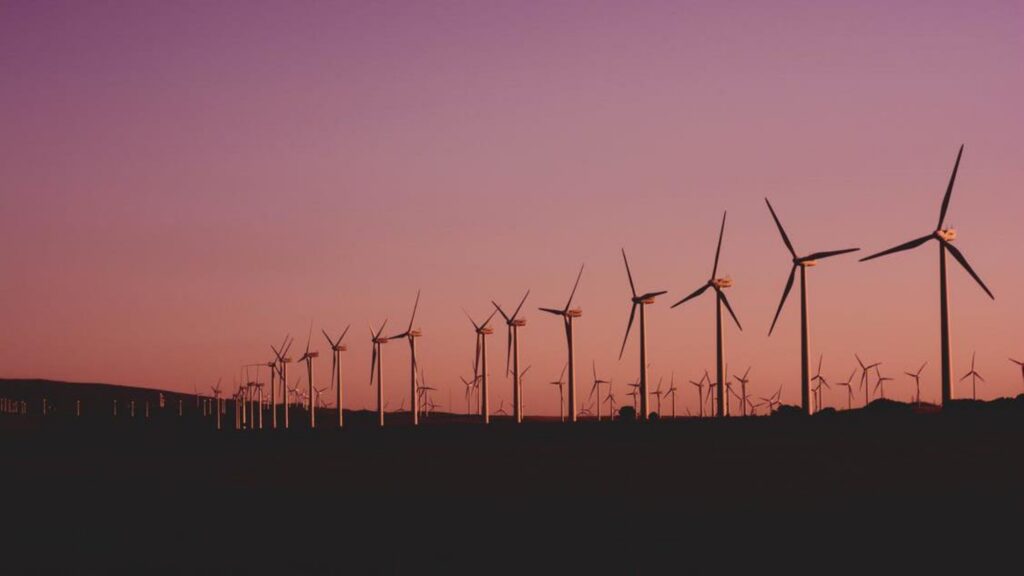
A wind turbine on the roof provides up to 2000 watts of additional energy when winds blow the rotors. This energy source provides an important alternate energy source during times of little sunlight. A battery pack further stores energy for up to three days to guarantee electricity on days of limited power generation.
Smart technologies coordinate the storing of energy and its distribution to appliances in the Shed. A charge-controller sends the right amount of current to batteries versus the direct running of appliances. A load manager further tweaks the flow of electrical. It uses data such as temperature to allocate electricity most intelligently. For instance, it can switch on lights and ventilation fans at night in hot summer times to keep the Shed cool for its living plants and animals.
Why is it important?
Until recently, urban agriculture has been severely limited by the cost of electricity. The rise of indoor farming, for instance, has highlighted its toll on electrical grids and contribution to carbon emissions.
But the cost of renewable energy has tumbled, with solar energy 82% cheaper now than in 2010. With this change comes the opportunity to grow food cost-efficiently and with abundant renewable energy. Growing food locally further shrinks greenhouse gas emissions by growing food close to consumers and so avoiding long-range transport.
As renewable energy and improving technologies chart the path to sustainable cities, off-grid solutions like the Shed will become more common. The net-zero energy status of the Shed contributes to UN Sustainable Development Goals of Industry, Innovation & Infrastructure (SDG 9) by developing clean technologies and Climate Action (SDG 13) by promoting climate-friendly agriculture.
Aquaponic Module
What is it?
Aquaponics is the unlikely marriage of farming fish (aquaculture) and plants (agriculture) in a single system. Fishpond water has fertilized gardens since ancient Egypt and in traditional South Asian rice cultivation. But the process was redeveloped for use in recirculating systems in the 1970s. Since that time, it has become one of a trinity of important, emerging urban agriculture methods. Today it is a boon for backyard enthusiasts and social innovators who continually push the boundaries of the technology.
The Shed’s Aquaponics Module raises tilapia and organic crops in a closed loop of water and nutrients flowing through a soil-less environment. The Shed departs from many other operations by: Using biochar – a special charcoal – as a carbon negative growing media for plants; hosting composting worms in grow beds for efficient recycling of waste; growing duckweed (an aquatic plant) as a sustainable fish feed supplement; and powering aquaponic operations with renewable energy and rainwater systems.
How does it work?
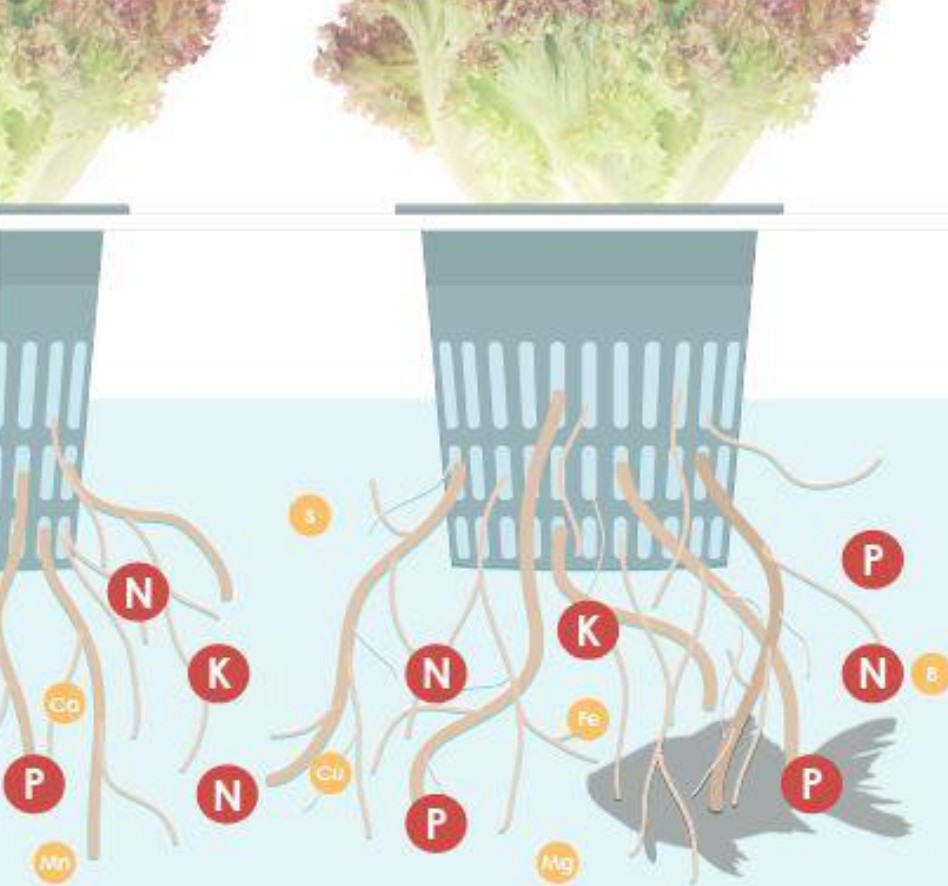
Aquaponics works because the environmental needs of fish and plants are complementary: Fish produce nutrient-rich waste products which fuel the growth of hydroponic plants.
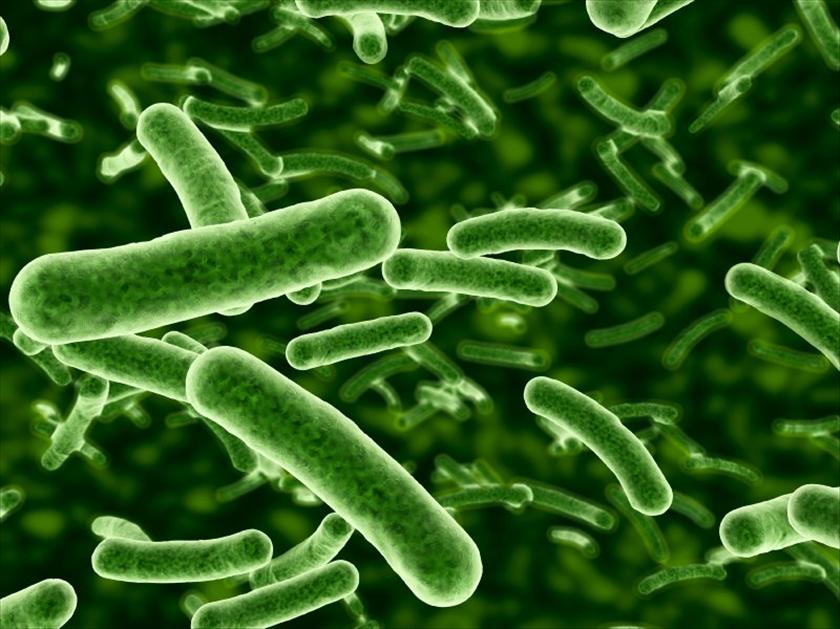
Composting worms and naturally-occurring bacteria (e.g., Nitrosomonas and Nitrobacters) do the work of breaking down fish waste and converting ammonia into nitrate – a form or nitrogen less toxic for fish easy for easy for hydroponic plants to take up.
The resulting aquaponic loop strikes a win-win balance of needs: Plants receive the nutrients they require for growth while fish see the waste removal they need for healthy living.
Why is it important?
Aquaponics points to exciting possibilities for feeding cities sustainably. For example, it uses 85% less water than conventional agriculture because it reuses water in a tightly cycled loop. This feature is especially important in urban and arid areas where water is obtained and treated at a premium. Aquaponics also does not require synthetic fertilizers for plant nutrition or pesticides to safeguard crops. Moreover, supplemental feeds for fish like duckweed and earthworms reared in the Shed help to further its ecological footprint. Particularly when powered by renewable energy and water supply, aquaponics exemplifies the efficient use of resources for local, community-oriented food production.
As in other parts of the Shed, the Aquaponics Module also brings natural biodiversity to the city’s indoors. Ginger and turmeric grow well in the Module’s substrate and give a nod to culturally-important plants for cooking and medicinal use. Both plants, for example, are effective antioxidants and anti-inflammatories in addition to cooking staples. Active compounds like gingerol and curcumin are therefore useful for treating ailments from nausea to osteoarthritis. The Shed therefore reminds us of the irreplaceable but dwindling traditional knowledge that is hidden in plain sight in the crops we grow.
Other crops growable in various parts of the Shed engage the senses. Nasturtium is stunningly bright and edible plant. Its leaves, flower and seedpods are all edible with a peppery, mustard-like taste that goes well in a salad or soup. Mint and lavender stand out for their strong aromatics. Easy to grow, mint varieties can be used in cold beverages or even as aromatherapy. Lavender flowers are both beautiful, have a calming effect and are edible in salads, soups, cookies and tea. Lastly, tactile crops can include the luffa or loofah which is a vegetable from the cucumber family. Luffas can be eaten as a vegetable when harvested young or they can be used as an exfoliating sponge when fully developed.
With its water-efficient growing of a variety of foods, the Aquaponics Module helps to advance UN Sustainable Development Goals of Industry, Innovation & Infrastructure (SDG 9) and Responsible Consumption & Production (SDG 12).
Engineered Wetland
What is it?
The Shed’s Aquaponics Module converts fish waste into plant food using a biofilter – a flow-through bed of waste-consuming microbes. Unassuming, this feature is hidden within a pipe! We refer to our biofilter as an Engineered Wetlands because, like natural wetlands, it is responsible for trapping waste and breaking it down into its simplest form, dissolved nutrients.
Where the Shed’s biofilter departs from others is its use of biochar – a carbon rich and renewable material – as a substrate and composting worms as catalysts in the breakdown of waste.
How does it work?
The Engineered Wetland is a testament to the power of small things. Worms live semi-aquatically in the substrate, feasting on waste particles generated by fish and plants. In this action, they mimic the many small invertebrates that break down the detritus of life in natural ecosystems.
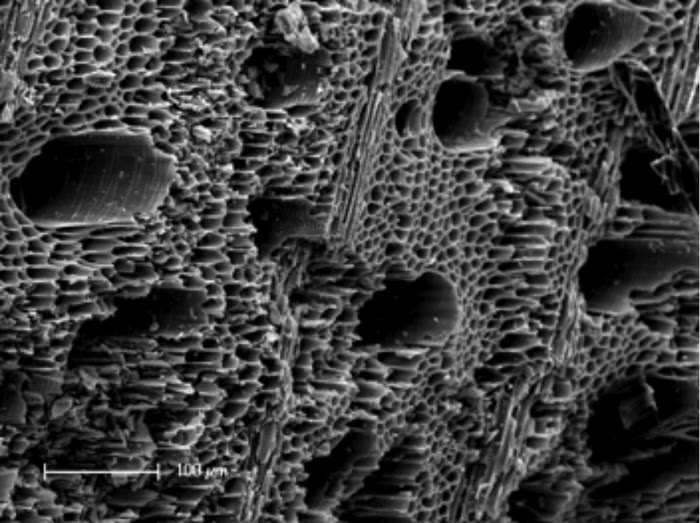
Biochar further sets the stage for a bonanza under the microscope. Biochar is a special charcoal made from burning forestry or other waste at low levels of oxygen.
This process creates a substrate of tiny pores, with surface area equivalent to a tennis court in each gram! This surface area helps in trapping small particles and binding organic compounds similar to what natural wetlands do. The result is the formation of rich crusts of bacteria, enzymes and minerals. Scientists are just beginning to understand this complex mixture, despite the use of biochar for hundreds of years to enrich agriculture in “terra preta” or “dark earth.”
The combination of organic matter and biochar as habitat makes for a riot of microbial life. In aquaponics systems generally, an enormous variety of microbes colonize biofilters naturally. One study estimated species in the hundreds, and pointed to them as fulfilling a wide range of biochemical tasks in the breakdown of different kinds of detritus. This echoes natural wetlands where a diverse set of bacteria, algae and fungi process the cast-offs from plants and animals.
The Engineered Wetland also highlights a unique and regenerative use of biochar in the biofiltering process. When the biochar loses its effectiveness after a year or so, it is discarded into the vermicomposter. This step turns a carbon- and nutrient-rich material into a compost for gardens. Because biochar is recognized as a way to lock carbon in the soil up to thousands of years, the Shed’s compost holds potential to offset fossil fuel emissions.
Why is it important?
The Shed’s Engineered Wetland highlights the importance of microbes and their habitats for transforming waste streams. Industries have long harnessed this power in bioreactors and fermenters, with uses ranging from producing biofuel to pharmaceuticals. This range owes to the great diversity of microbes that are able to metabolize – or break down – different compounds.
Natural wetlands are vital for detoxifying wastes and storing carbon but are under threat from land development and climate change. Luckily, human-made wetlands called constructed wetlands can provide some of the same benefits. The engineered, 465-acre Prado Wetlands in California, for instance, remove almost all pharmaceutical pollutants from the Santa Ana river while providing habitat for threatened species. Constructed wetlands are also increasingly used as alternative wastewater treatment systems for parks, wineries, institutions and more.
The Shed’s Engineered Wetland contributes to the UN’s Sustainable Development Goal of Industry, Innovation & Infrastructure (SDG 9) by facilitating the transformation and reuse of aquaculture waste streams.
Duckweed Module
What is it?
The Duckweed Module is an extension of the water-based food web in the Food Shed. It transforms extra nutrients from the Aquaponics Module into a rich green and nutritious fish feed – Duckweed!
Duckweeds are the tiniest flowering plants known, and the fastest-growing plant known. They are also, strangely enough, related to the enormous and enigmatic Stinking Corpse Lily. Most people know Duckweeds as conspicuous denizens of ponds, ditches and slow rivers where they form large floating mats.
The fast growth rate of Duckweed species comes with a very high protein content (up to half of their weight). So, there is no surprise that the small plants form an important food source in ponds and, more recently, aquaculture where it enhances the growth of fish. Duckweed is similarly gaining a reputation as a super-food for humans as “water lentils”, though it has long been a staple in Southeast Asian cultures and is not raised for human consumption in the Shed.
How does it work?
Duckweeds are opportunistic and explosive growers, rapidly converting pulses of nutrients in their environment into a lush aquatic salad. They do this by growing vegetatively, splitting one mother frond in multiple daughters. The property of rapid growth in the presence of nutrients has long drawn the attention of ecological engineers, who have studied the use of duckweed in treating sewage wastewater and developing sustainable animal feeds.
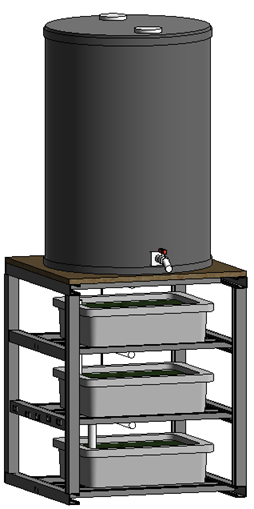
In the Shed, three tiers of duckweed grow under LED light fueled by the ammonia, nitrate and other nutrients dissolved in water added from the fish tanks. Periodic harvesting of the duckweed mats provides a nutritious boost for the fish, though it does not entirely replace rations of commercial fish feed. This cycle is a closed loop operating between the aquaponics system and the Duckweed Module, much like fish and other animals waste spur the growth of water plants in natural ecosystems.
Why is it important?
As another example of closing loops in the Shed, the Duckweed Module highlights a path to growing food more efficiently from capitalizing on waste streams. Duckweeds in particular have immense potential for meeting the protein needs of humans while using fewer resources. Moreover, Duckweed species are widely distributed and so are native to many jurisdictions including Canada. Urban agriculturalists have taken notice, and the lowly plant is likely to play a large role in climate-smart and sustainable agriculture in the future.
The Shed’s Duckweed Module contributes to UN Sustainable Development Goals of Industry, Innovation & Infrastructure (SDG 9) by developing closed-loop technologies, Responsible Consumption & Production (SDG 12) by reducing waste and Quality Education (SDG 4) by fostering skills and knowledge for sustainable agriculture.
Rainwater Harvesting System
What is it and how does it work?
The lifeblood of the Shed is its water supply which is roof-harvested from local rainfall. In the frozen winter months, snow melt replaces rain to top up a reservoir inside the Shed. This reservoir also serves as a thermal sink to keep a more stable indoor temperature during swings of extreme hot or cold.
Water harvested from the Shed’s roof supplies fish tanks and hydroponic grow beds, irrigates soil and drives all food-growing activities. Because of its central importance, water is conserved through methods that minimize evaporation like automated watering of crops and aquaponic loops.
Notably, the Shed uses all of the water it harvests and does not discharge any agricultural water to sewers or surrounding waterways. It is thus a net-zero water system in that it produces all fresh water needed for its operation on site without drawing from lakes or rivers.
Why is it important?
The necessity of renewable resources is increasingly evident as aging city infrastructures struggle to supply water and energy to citizens in a changing climate. Along with the Shed’s wind turbine and solar panels, the rainwater harvesting system demonstrates an essential target for sustainable cities: Efficient capture and reuse of rainwater.
Cities around the world have already adopted rainwater systems that include rooftop collection technologies, biofilters that use plants to manage stormwater and home rain gardens.
In Mexico City, for instance, 32% of residents do not have enough water for basic necessities. Rainwater harvesting is addressing this scarcity. It is collected from rooftops and stored in large tanks to be later purified and used flushing toilets, showering, laundry and more. According to non-profit Isla Urbana, a staggering 815 million liters of water each year is harvested this way.
The Shed illustrates the direct use of Ontario’s more-than-30-inch annual precipitation in the public good of growing local good. As such, it contributes to UN Sustainable Development Goals of Responsible Consumption & Production (SDG 12) by reducing waste in growing food and Climate Action (SDG 13) by promoting climate-resilient agriculture.
Algae Bioreactor
What is it?
The Shed employs natural solutions to close loops and turn waste into useful outputs. The Algae Bioreactor uses excess nutrients from the Aquaponic Module and Vermicomposter to fix carbon dioxide in algae. Returning this algal biomass to the Vermicomposter adds carbon to the compost in the form of a garden biofertilizer. It therefore creates a recycling loop that ultimately builds up carbon from the atmosphere in vermicompost and soil.
Perched atop the Algae Bioreactor are cover plants, like grasses and meadow flowers, that similarly use Shed nutrients to channel carbon from the atmosphere to the soil. These plants are part of the world of carbon gardening where gardens are purposely designed to store carbon in plant tissues or the soil. The flowers also provide the ecosystem service of feeding pollinating insects.
How does it work?
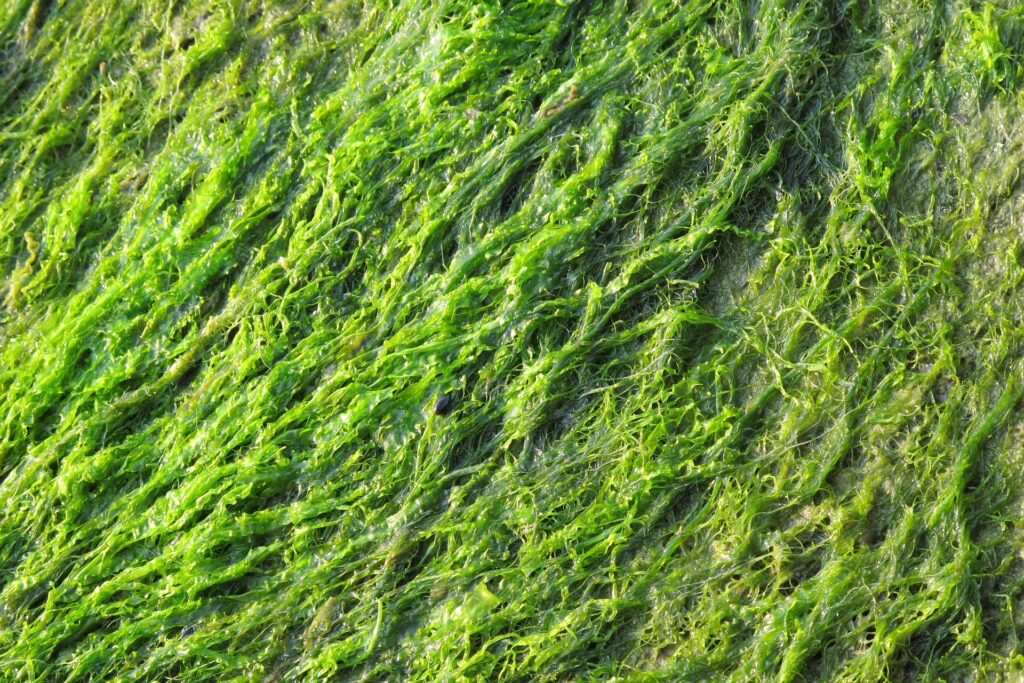
The Algae Bioreactor harnesses the power of algae to grow biomass. Algae are well-suited to this task being faster-growing and more productive than land plants. The Shed’s Bioreactor grows filamentous algae – a colonial kind of algae better known as pond scum – rather than the single-celled “floating” varieties that live suspended in water.
Filamentous algae are all around us in ponds, lakes and rivers, are nearly indestructible and quickly create thick mats of biomass. For these reasons, they are widely used as “scrubbers” to remove nutrients from aquarium water with hobbyists and citizen scientists leading their development. At larger scales, these kinds of systems have proven capable at large scale of effectively cleaning water in sewage treatment plants.
Using algae to fix carbon leverages a biochemical process we all know: Photosynthesis. Algae grow in a thin-film of nutrient-rich water that is routed from other parts of the Shed. They absorb carbon dioxide from the atmosphere along with sunlight and nutrients to build tissues. When this tissue is harvested by scraping to the Vermicomposter, a portion of the original carbon remains in the compost for long periods of time as soil organic carbon. In this way, an important global carbon store – the soil – can be partially replenished by the activities of the Shed. It is a small but meaningful solution to climate change. Meanwhile, the other nutrients stored in the composted algae become available to plants, and have been shown to spur plant growth as effectively as synthetic fertilizers.
Why is it important?
Living and growing food in the future calls for the creative use and reuse of new resources. Algae-based technologies are at this frontier of sustainability.
Bioreactors, for instance, have attracted intense interest for an incredibly wide range of uses, such as: Growing biofuels, making sustainable feeds for animals, isolating nutritional compounds from microalgae, scrubbing CO2 from industrial gases and purifying different types of wastewater. Seaweeds – large forms of algae – have been touted as sustainable foods. Importantly, these and other algae are also poised to help to sequester large amounts of atmospheric carbon to offset greenhouse gas emissions in the future.
What ties most of these uses together is that they are innovative ways of “closing the loop” and turning the wastes of humankind into material and economic opportunities.
While humble algae have yet to be fully integrated into to farming on land, it is a powerful ally to watch in the quest for sustainability. Accordingly, the Shed’s Algae Bioreactor contributes to UN Sustainable Development Goals of Industry, Innovation & Infrastructure (SDG 9) by developing clean agricultural technologies, Quality Education (SDG 4) by fostering skills and knowledge for sustainable living, and Climate Action (SDG 13) by promoting climate-resilient growing methods.
Hydroponic Module
Hydroponics is the growing of plants in a mineral nutrient solution without a soil medium – and is the posterchild of vertical farming. It is one of an emerging trinity of urban agriculture methods that are transforming our cities. Hydroponics is extremely productive because it delivers nutrient-rich solutions directly to the roots of plants in a carefully calibrated and recirculating system. Hydroponics provides the “exact” amount and duration of light plants need for a precision environment that fosters rapid growth, stronger yields, and superior quality.
The Shed’s Hydroponic Module departs from other setups because it uses a special, bio-active solution of worm tea and nutrients that is in line with organic food standards. It therefore meets criteria for ensuring quality of produce and low environmental impact – key requirements for building healthy and sustainable cities.
How does it work?
Plants thrive from the delivery of macronutrients (e.g., nitrogen), trace elements (e.g., manganese) and biologically active compounds and microbes to their root zone. The Hydroponic Module pumps just this mixture to plants in a growing tank shared with the Soil-Based beds
The nutrient solution contains organic nutrients boosted by a worm tea. Worm tea is an aerated solution of worm castings obtained by vermicomposting, which is the decomposition of organic matter by worms. Worm tea contains its own nutrients, but also a cocktail of naturally occurring and beneficial agrobacteria and plant growth factors.
Research has shown a wide range of worm tea benefits from suppressing plant diseases and enhancing nutrient uptake to stimulating plant growth hormones. The Shed’s hydroponics thus encourages vigorous plant growth in a way that mimics the biological activity of natural soils.
Why it is important?
As the human population continues its upward arc, efficient agriculture methods are needed more than ever to replace dead urban sites with food-giving spaces. The tumbling cost of renewable energy in recent years makes hydroponics an increasingly viable fixture of sustainable cities and a way of growing food close to consumers.
Where food is grown using organic methods, as in the Shed, urban produce can also come with health benefits. Organic produce has been shown to have 20 – 40 % higher antioxidant activity compared to conventionally grown foods. There healthful compounds protect the body by limiting the build-up of free radicals – molecules that in excess harm our bodies’ cells. As part of the modern food landscape, hydroponics offers a compelling solution for building local and resilient food systems.
The Module advances Sustainable Development Goals of Good Health and Wellbeing (SDG 3) by improving access to fresh, pesticide-free foods and Industry, Innovation & Infrastructure (SDG 9) by developing clean agricultural technologies.
Soil-based System
What is it?
Soil-based agriculture is the oldest form of crop production. Container-based agriculture continues this tradition indoors, often using soils mined from former farms or development sites.
The Shed’s Soil-based system makes soil anew from more sustainable, organic ingredients to give plants what they need. One ingredient is worm castings – or earthworm waste – which provides nutrients like nitrogen and a panoply of plant-boosting microbes.
Another, biochar is a fine-grained charcoal that helps moisture retention, mold resistance and stores large amounts of carbon in the soil – making the soil-based system a platform for resilient and climate-smart agriculture.
How does it work?
Plants draw on nutrients and trace elements from the customized soil. Worm tea – an organic gardening agent produced within the Shed – adds water, nutrients and natural growth factors to the growing beds on a fixed cycle to rejuvenate the soil and sustain growing for years. Energy-efficient LED lights turn on and off with a 16-8 hour cycle to complete the recipe for robust crop growth.
Why it is important?
Container-based agriculture in the Shed showcases one of a trinity of important urban agriculture approaches (see also Aquaponics and Hydroponics). These space-efficient methods are essential for feeding a world population that has tripled in the last 50 years.
All Shed modules adopt organic farm methods to protect the biosphere. Organic farming boosts diversity in soil microorganisms and earthworms by adding more organic matter. It also supports genetic diversity of seeds by planting different combinations of crops.
While the biodiversity of the Shed is agricultural, we find in it the overlapping story of people and nature. Crops have undergone many changes through selection and adaptation so that they may better suit our needs. Carrots, for instance, began thousands of years ago as small, tough, bitter and spindly roots, compared to carrots today which are sweet and fleshy. And while modern carrots are orange, their wild counterparts ranged from purple to white and yellow. It is theorized that the orange carrot was derived from the yellow variety by the Dutch to mirror their national colour.
Different crop varieties like purple and orange carrots are an example of diversity within a species – a biological richness that has dropped by 75% in the last century. Crop diversity adds to robust agriculture by:
Helping climate adaptation with crop varieties able to withstand temperatures and weather in different regions and extreme events like droughts and floods. An example growable in the Shed is heirloom Scotia Tomatoes that set fruit at the cooler temperatures of Maritime Canada.
Safeguarding the genetic material of crops which can help create secure food systems in the future.
Biodiversity also enables critical relationships among species for healthy agriculture. Backyard gardeners tap into these relationships when companion planting, which involves planting one plant species to benefit another. Plants may benefit one another in a great many ways: Attracting insect predators like ladybugs to prey on garden pests; increasing the availability of soil nutrients; creating beneficial microenvironments and more. In the Shed, you might see tomatoes planted near marigolds, which release the compound limonene that slows the growth of whitefly populations.
So next time you stop to smell the marigolds, spare a thought for the rich tapestry of life that supports resilient agriculture.
The Soil Based Module adds to UN Sustainable Development Goals of Zero Hunger (SDG 2) and Good Health and Wellbeing (SDG 3) by improving access to fresh, pesticide-free foods.
Vermicomposter module
What is it?
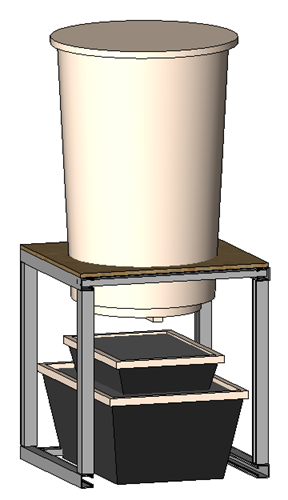
Vermicomposting is the process of using earthworms, such as Red Wigglers (Eisenia fetida), to speedily break down leaves, stems and other leftovers from the agricultural process.
The Shed’s Vermicomposter is a central bioreactor that rapidly turns waste streams from different modules – used biochar, crop residues and algae – into a rich compost storing carbon over long periods of time. This compost is used in-Shed in germinating seeds and as an outside amendment for starting new home gardens.
The Shed’s Vermicomposter stands out among home and commercial versions for a bin design that easily separates worm castings from worms, and its integration of very different waste streams to make a powerful biofertilizer.
Why is it important?
While Canada has no native earthworm species because of harsh environmental conditions in past ice ages, their non-native counterparts are essential for maintaining healthy agroecosystems. They engineer the soil ecosystem for plant growth by tunnelling through soil and breaking down organic matter.
As they burrow, they leave behind a rich cocktail of soil-building elements: Nitrogen- and phosphorus-rich casts or feces, microbes, soil enzymes and holes bringing air and water to the soil to name a few. These conditions in turn nourish plants from the roots up.
Soil invertebrates like worms also set the ecological pace for returning organic matter like leaf litter and crop waste to the soil. This recycling is crucial given that cultivated soils have lost up to two-thirds of their organic carbon (Lal 2004), eroding an important carbon sink preventing climate change. Thoughtful composting with worms can help replenish this sink while improving crop yields from backyard gardens to commercial farms. More broadly, it helps to close resource loops advancing the idea that food systems can work more like circular ecosystems than leaky chains of material inputs.
The Shed’s vermicomposter contributes to UN Sustainable Development Goals of Responsible Consumption & Production (SDG 12) by reducing waste in growing food and Quality Education (SDG 4) by fostering skills and knowledge for sustainable living