Shed Envelope

What is it and how does it work?

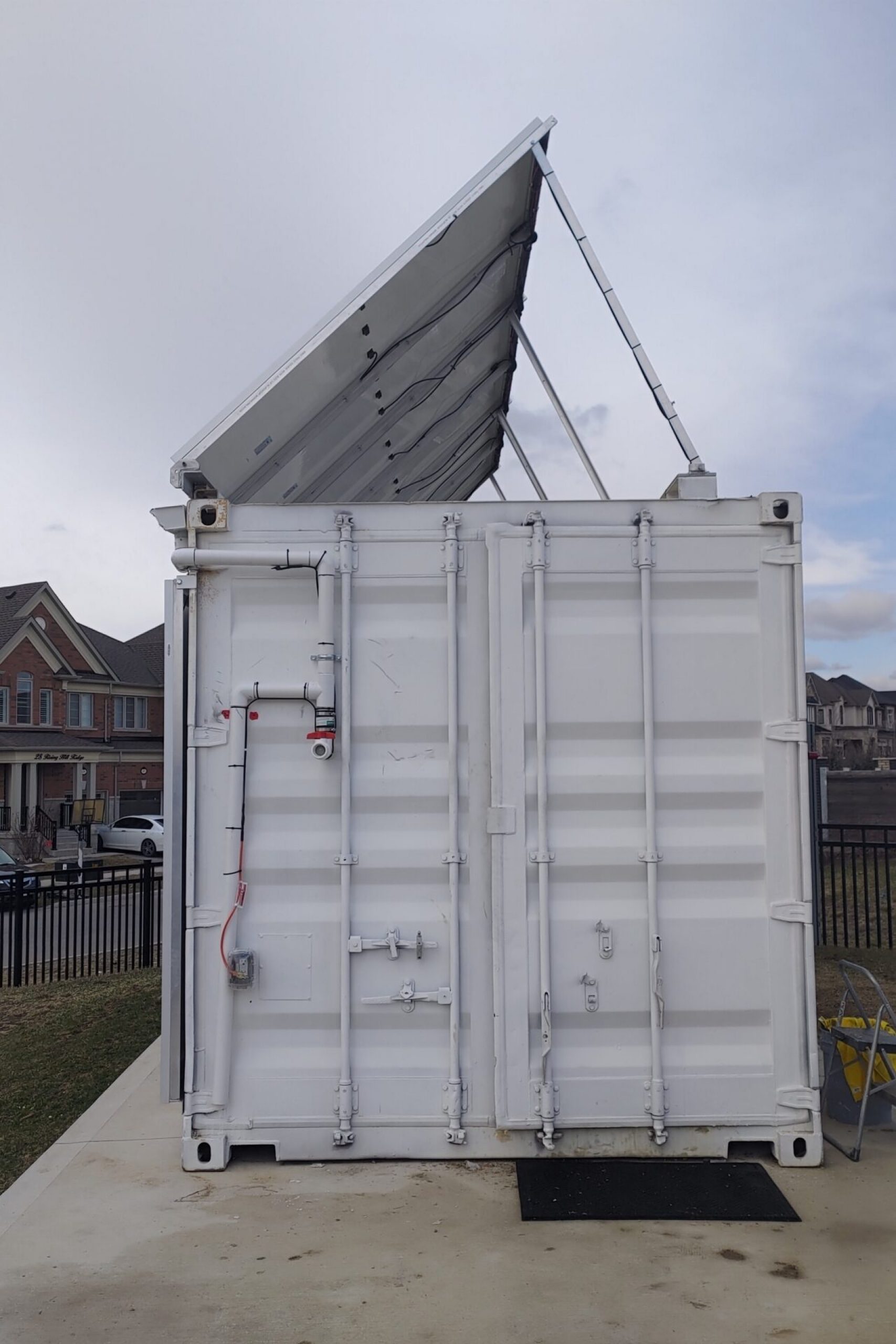
The Shed packs a range of food-growing technologies into to a surprising shell: A used shipping container.

A number of engineered systems transform this metal shell into an optimal environment for plants and animals. High-performance insulation, heat sinks and ventilation take the bite out of Canada’s cold winters and summer heat waves for a constant temperature. Carefully-designed electrics and Arduino sensors provide the intelligence to keep loads from lights and water pumps within the limits of renewable energy systems year-round. The result is peak energy efficiency that enables the farm to operate off-grid all of the time.

Why is it important?

From its first step in upcycling a used container, the Shed demonstrates the potential for growing more food from less material and energy. This use adds to a growing trend of repurposing cast-off containers, from houses to workshops and pools. The transformation of the shell also highlights the importance of good energy system and building design for meeting sustainability targets.

P_20220404_114932

The Shed’s outer boundary, insulation, fans and heaters also helps to create the controlled indoor environment that enables year-round agriculture. This ability builds better access to fresh produce, but also potential adaptation to climate change – allowing growing food in all weather extremes.

The Shed interior also reminds us of the possibilities for transforming urban areas one interior at a time, from a humble hollow into a green oasis for community fulfillment. Green spaces are in short supply but trigger biophilic effects – mental and physical benefits from nature exposure that are hypothesized to be genetically hardwired into humans. Mere exposure to natural elements, for instance, has been documented to decrease pain, lower stress, improve mood and enhance measures of cognition and productivity.

Gardening, as practiced in the Shed, is also a great way to improve physical, psychological and social health. One broad study found overwhelming positive effects of gardening on health outcomes from anxiety and tension to a sense of being restored. 

What Sustainable Development Goals (SDG) are met?

The Shed’s envelope contributes to UN Sustainable Development Goals of Industry, Innovation & Infrastructure (SDG 9).

The Shed’s envelope contributes to Sustainable Development Goals of Responsible Consumption & Production (SDG 12) by creating new efficiencies for producing food in the city.

What can you do?

Visit the Shed virtually or in-person to learn more about its construction and how it works.

Read more about through the following unaffiliated links:

Learn more about biophilic features integrated into the Shed through this downloadable lesson plan example which can be done in the Food Shed or modified for at-home learning.