
Engineered Wetland
What is it?
The Shed’s Aquaponics Module converts fish waste into plant food using a biofilter – a flow-through bed of waste-consuming microbes. Unassuming, this feature is hidden within a pipe! We refer to our biofilter as an Engineered Wetland because, like natural wetlands, it is responsible for trapping waste and breaking it down into its simplest form, dissolved nutrients.
Where the Shed’s biofilter departs from others is its use of biochar – a carbon rich and renewable material – as a substrate and composting worms as catalysts in the breakdown of waste.
How does it work?
The Engineered Wetland is a testament to the power of small things. Worms live semi-aquatically in the substrate, feasting on waste particles generated by fish and plants. In this action, they mimic the many small invertebrates that break down the detritus of life in natural ecosystems.
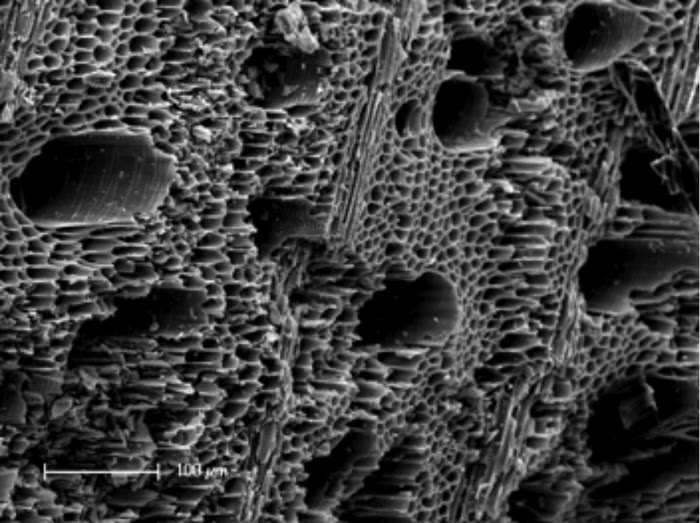
Biochar further sets the stage for a bonanza under the microscope. Biochar is a special charcoal made from burning forestry or other waste at low levels of oxygen. This process creates a substrate of tiny pores, with surface area equivalent to a tennis court in each gram! This surface area helps in trapping small particles and binding organic compounds similar to what natural wetlands do. The result is the formation of rich crusts of bacteria, enzymes, and minerals. Scientists are just beginning to understand this complex mixture, despite the use of biochar for hundreds of years to enrich agriculture in “terra preta” or “dark earth.”
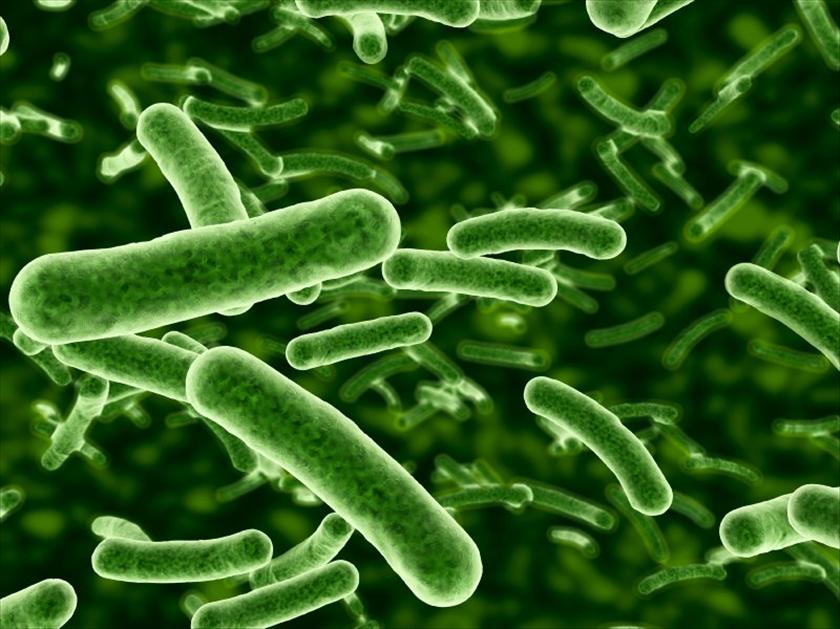
The combination of organic matter and biochar as habitat makes for a riot of microbial life. In aquaponics systems generally, an enormous variety of microbes colonize biofilters naturally. One study estimated species in the hundreds, and pointed to them as fulfilling a wide range of biochemical tasks in the breakdown of different kinds of detritus. This echoes natural wetlands where a diverse set of bacteria, algae and fungi process the cast-offs from plants and animals.
The Engineered Wetland also highlights a unique and regenerative use of biochar in the biofiltering process. When the biochar loses its effectiveness after a year or so, it is discarded into the vermicomposter. This step turns a carbon- and nutrient-rich material into a compost for gardens. Because biochar is recognized as a way to lock carbon in the soil up to thousands of years, the Shed’s compost holds potential to offset fossil fuel emissions.
Why is it important?
The Shed’s Engineered Wetland highlights the importance of microbes and their habitats for transforming waste streams. Industries have long harnessed this power in bioreactors and fermenters, with uses ranging from producing biofuel to pharmaceuticals. This range owes to the great diversity of microbes that are able to metabolize – or break down – different compounds.
Natural wetlands are vital for detoxifying wastes and storing carbon but are under threat from land development and climate change. Luckily, human-made wetlands called constructed wetlands can provide some of the same benefits.
The engineered, 465-acre Prado Wetlands in California, for instance, remove almost all pharmaceutical pollutants from the Santa Ana river while providing habitat for threatened species. Constructed wetlands are also increasingly used as alternative wastewater treatment systems for parks, wineries, institutions and more.
What Sustainable Development Goals (SDG) are met?

The Shed’s Engineered Wetland contributes to the UN’s Sustainable Development Goal of Industry, Innovation & Infrastructure (SDG 9) by facilitating the transformation and reuse of aquaculture waste streams.
What can you do?
Visit a wetland near you to study how waste is stored and purified in natural ecosystems.
Learn more about the role of biofiltration in cleaning water through this downloadable lesson plan example.
Explore the science and art behind aquaponics through these unaffiliated links:
- Biofilter design and construction in aquaponics.
- An overview of constructed wetland technology.
