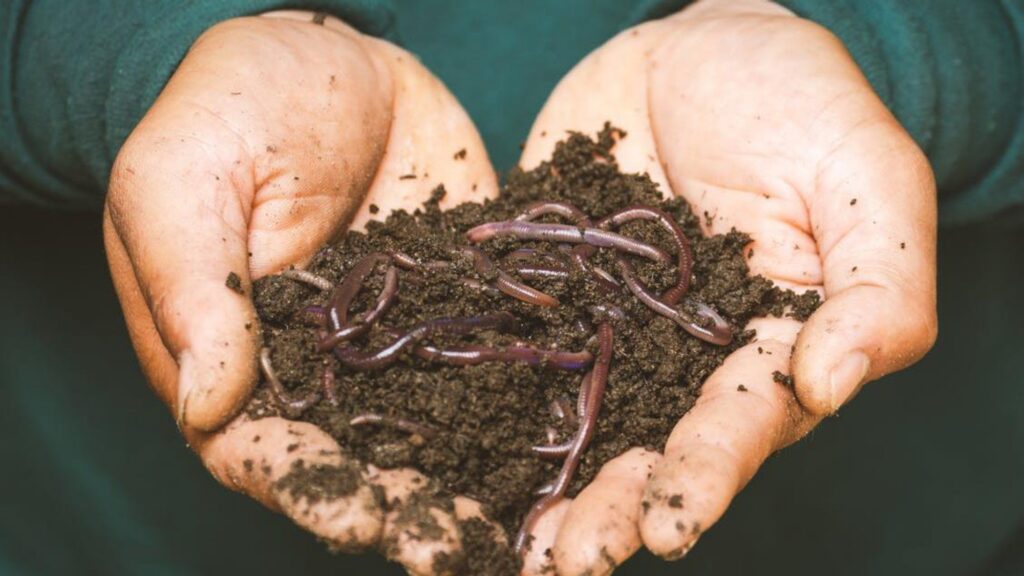
Vermicomposting is the process of using earthworms, such as Red Wigglers (Eisenia fetida), to speedily break down leaves, stems and other leftovers from the agricultural process.
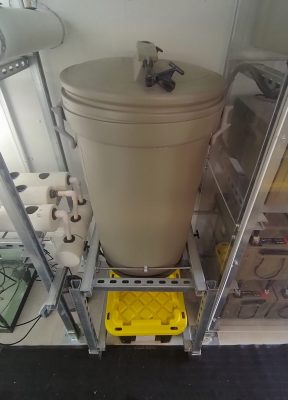
The Shed’s Vermicomposter is a central bioreactor that rapidly turns waste streams from different modules – used biochar, crop residues and algae – into a rich compost storing carbon over long periods of time. This compost is used in-Shed in germinating seeds and as an outside amendment for starting new home gardens.
The Shed’s Vermicomposter stands out among home and commercial versions for a bin design that easily separates worm castings from worms, and its integration of very different waste streams to make a powerful biofertilizer.
Why is it important?
While Canada has no native earthworm species because of harsh environmental conditions in past ice ages, their non-native counterparts are essential for maintaining healthy agroecosystems. They engineer the soil ecosystem for plant growth by tunnelling through soil and breaking down organic matter.
As they burrow, they leave behind a rich cocktail of soil-building elements: Nitrogen- and phosphorus-rich casts or feces, microbes, soil enzymes and holes bringing air and water to the soil to name a few. These conditions in turn nourish plants from the roots up.
Soil invertebrates like worms also set the ecological pace for returning organic matter like leaf litter and crop waste to the soil. It’s been estimated that earthworms speed up the forming of topsoil by up to a hundred times.
This recycling is crucial given that cultivated soils have lost up to two-thirds of their organic carbon, eroding an important carbon sink preventing climate change. Thoughtful composting with worms can help replenish this carbon store while improving crop yields from backyard gardens to commercial farms. More broadly, it helps to close resource loops advancing the idea that food systems can work more like circular ecosystems than leaky chains of material inputs.
What Sustainable Development Goals (SDG) are met?
The Shed’s vermicomposter contributes to UN Sustainable Development Goals of Quality Education (SDG 4) by fostering skills and knowledge for sustainable living.
The Shed’s vermicomposter contributes to UN Sustainable Development Goals of Responsible Consumption & Production (SDG 12) by reducing waste in growing food.
What can you do?
Learn more about using worms for sustainable agriculture through this downloadable lesson plan example which can be done in the Food Shed or modified for at-home learning.